

-
Birds
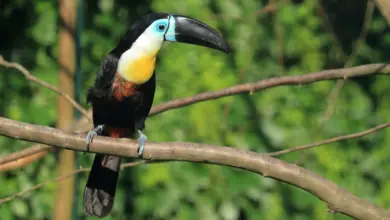
Channel-billed Toucans
The Channel-billed Toucans (Ramphastos vitellinus) is a toucan that occurs on the island of Trinidad and in tropical South America, in the southeastern Amazon, as far south as southern Brazil…
Read More » -
Birds

Nias Mynas
The Nias Mynas or Nias Hill Myna (Gracula robusta) is endemic to the island of Nias in South East Asia and other nearby islands off western Sumatra. The number of Nias…
Read More » -
Bird Breeders
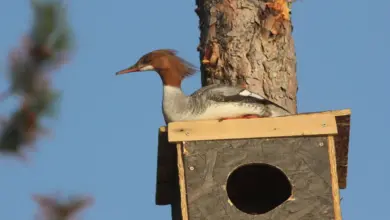
Common Merganser Nesting Box
The below nestbox is designed for the Common Merganser. squirrels may use this box. Suitable Nestbox Size: 33 inches tall. No perches at the entrance holes as they would aid…
Read More » -
Birds
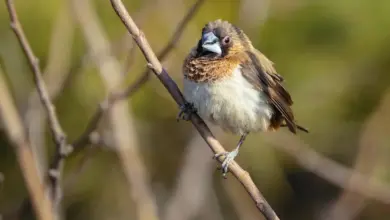
White-rumped Munias
The White-rumped Munia (Lonchura striata) are tiny gregarious estrildid finches are related to the domesticated Society (Bengalese) finch, which is similar in appearance, but the white-rumped mannikins are smaller than…
Read More » -
Hooded Mountain-toucans
The Hooded Mountain-toucans (Andigena cucullata) is a resident (non-migratory) South American toucan with a small range in northwest Boliva and far southern Peru (Puno). This shy bird inhabits the humid…
Read More » -
Long-crested Mynahs
Long-crested Mynahs, aka Ceram King Starlings, Ceram Mynas Long-crested Mynahs (Basilornis corythaix) are endemic to Indonesia. They are also known as Ceram (King) Starlings / Mynas, Seram (King) Starlings, or Long-crested…
Read More » -
Bird Breeders

Trumpeter Swan Breeding
Trumpeter Swan breeding forms pair bonds when they are two to four years old and usually pairs stay together throughout the year, including moving together in migratory populations. However, some…
Read More »